Realistic Property Deductibles
Realistic Property Deductibles
Property deductibles are on the rise for many community associations. These deductibles play an important role in risk management by shifting a portion of the financial responsibility for a loss to the policyholder. Within community associations, it is common for the deductible to be passed on to individual owners for unit damage and shared among all owners for common area damages. The appropriate deductible amount varies depending on the property type and the scope of insurance coverage.
Bare Walls Coverage
Condominium communities that insure buildings on a bare walls basis are responsible only for the exterior structure and common elements. Because the association maintains control over these areas, the frequency of claims is typically lower. As a result, higher deductibles are not always recommended, since the association must be prepared to fund them. Many associations with this type of coverage maintain deductibles around $10,000 per occurrence, often supported through reserve funding.
All-Inclusive Coverage
Associations that carry all-inclusive coverage insure both the building structure and portions of the interior units. This increases the likelihood of claims because the association relies on unit owners and tenants to properly maintain their individual spaces. In these communities, it is common to see deductibles ranging from $25,000 to $50,000, either on a per-occurrence or per-unit basis. Buildings with stacked units, such as condominiums or high-rise developments, frequently adopt per-unit deductibles to help offset the risk of widespread water damage.
HOAs or Planned Unit Developments
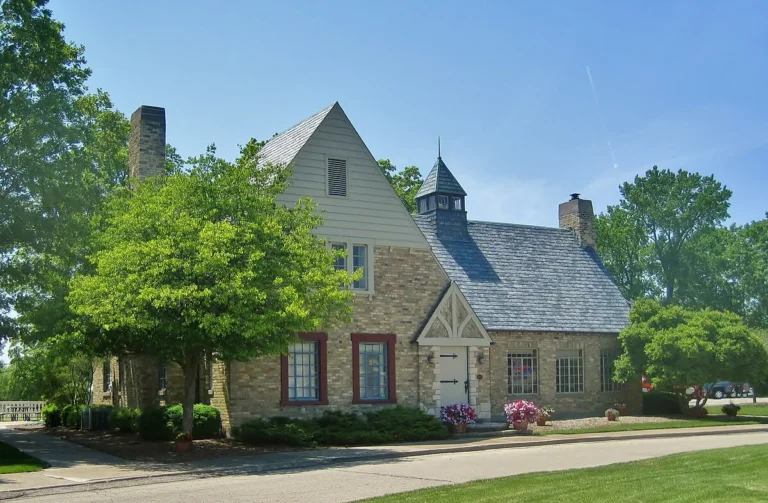
Homeowners associations or planned unit developments that are not responsible for insuring residential structures typically carry lower deductibles. Since coverage is usually limited to common area property—such as clubhouses, mailboxes, or fencing—deductibles often range from $1,000 to $2,500 per occurrence. In communities with higher property values or prior claims activity, deductibles of $5,000 may be considered.
Communities with a history of claims are increasingly seeing carriers require significantly higher deductibles, sometimes reaching $100,000 to $250,000 in severe cases. Implementing an insurance resolution that clearly outlines deductible responsibility is essential to protect the association and ensure owners understand their financial obligations.
Underwriting Issues: Horizontal Railings
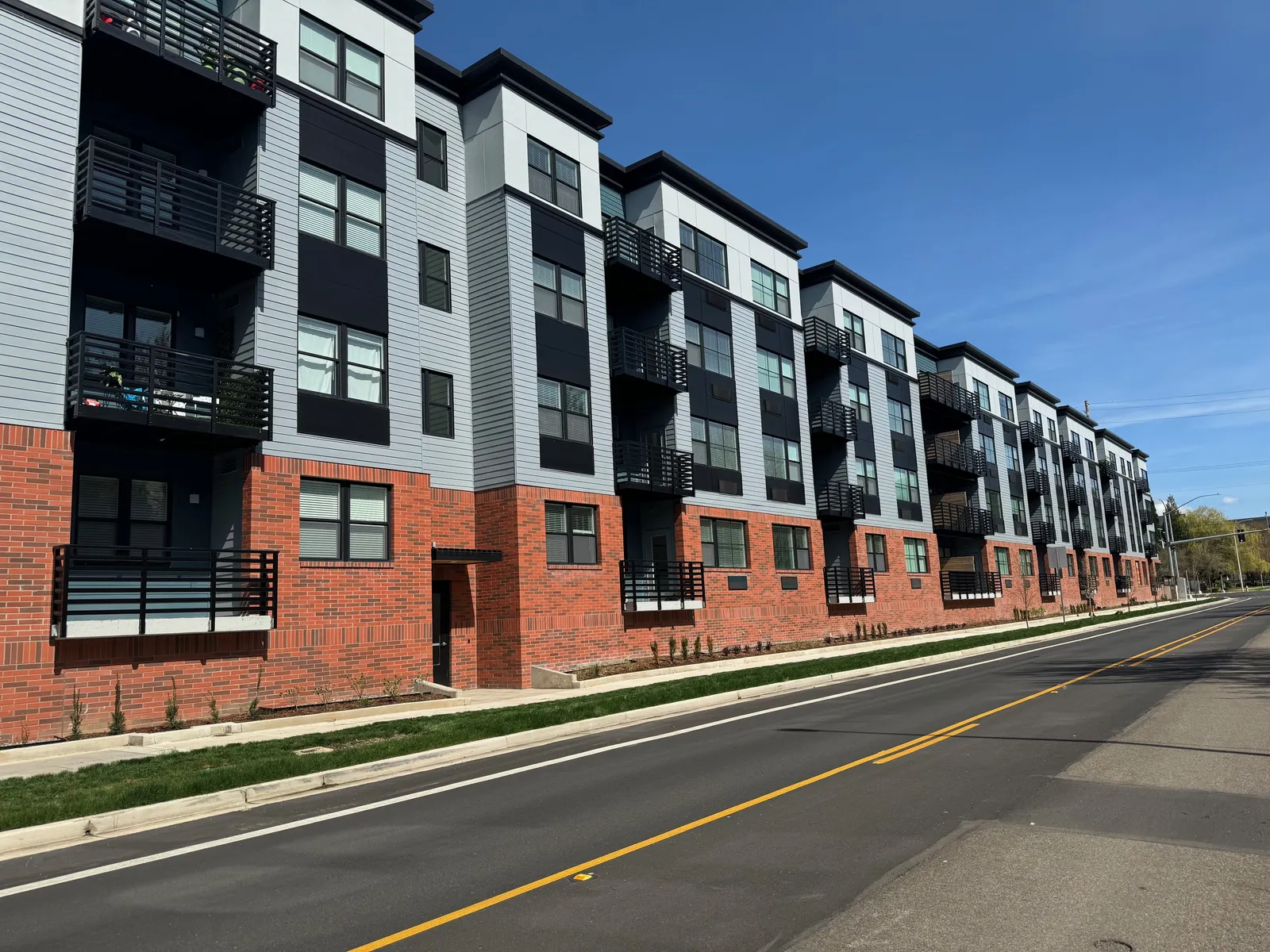
When it comes to building safety, railing design is an important consideration for both risk management and insurance underwriting. Horizontal railings, while modern and visually appealing, present significant safety concerns that can limit insurance options for community associations.
These railings can function like a ladder, making it easier for children to climb and increasing the risk of falls from elevated areas such as balconies, decks, and stairways. Because of this liability exposure, many insurance carriers are no longer willing to insure buildings that feature horizontal railings, or they may impose higher premiums and restrictive terms.
Associations have several options to address this concern. The most effective long-term solution is to replace horizontal railings with vertical railings spaced four inches or less apart, which aligns with common building code requirements. While this approach requires planning and financial investment, it significantly improves safety and insurability.
As a temporary measure, associations may install permanent mesh or privacy screening over existing horizontal railings. This solution can satisfy underwriting requirements while the community plans for a permanent upgrade.
Proactively addressing railing safety helps protect residents, reduce liability exposure, and maintain access to favorable insurance markets.
Owners’ Curious Question: After a Loss, What Is the Timeframe for Moving Back In?
Every property loss is unique, and the time required for reconstruction can vary significantly depending on the severity of the damage. Minor losses may allow residents to return within a few weeks, while more extensive events—such as major water damage or fire—can result in displacement lasting several months.
Several factors influence reconstruction timelines:
- Supply chain delays: Availability of building materials can extend project completion times.
- Labor shortages: High demand for contractors, especially after widespread events like severe storms, can slow progress.
- Coordination among parties: Effective communication between owners, association boards, community managers, insurance adjusters, and contractors is essential to avoid unnecessary delays.
- Scope of damage: Significant structural repairs may extend displacement to six to twelve months or longer in extreme cases.
Owners should review their personal insurance policies to ensure that Loss of Use or Additional Living Expense (ALE)coverage is sufficient to support them during extended periods of displacement.
Update of the Month: Fire Extinguishers
Having a fire extinguisher in every unit is a critical component of community safety, but understanding how to use it is equally important. A readily accessible and properly maintained extinguisher can prevent a small fire from spreading, reducing the risk of injury and extensive property damage.
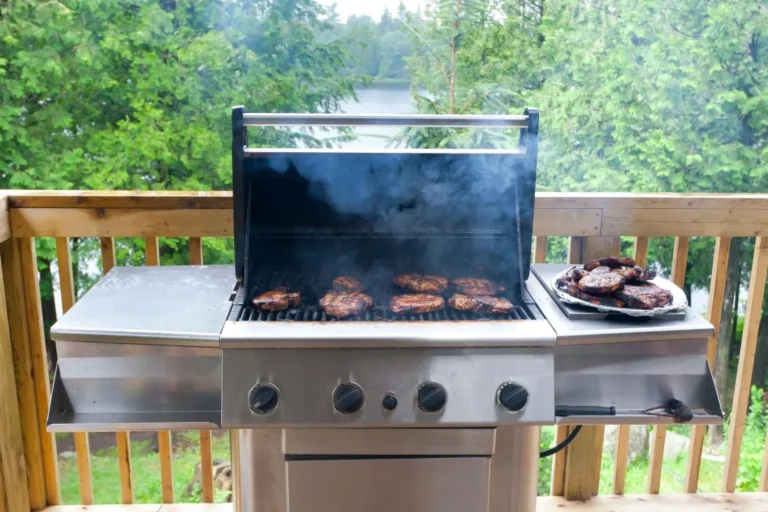
While not all associations are required to install fire extinguishers in exterior common areas, unit owners should maintain at least one extinguisher inside their residence. This is particularly important during the summer months when barbeque grilling is more common. Grills can become extremely hot and pose a fire hazard if placed too close to the building.
Fire departments often provide educational resources and training on proper fire extinguisher use. Extinguishers should be inspected annually and replaced every ten to twelve years to ensure reliability. Utilizing local fire department resources can help associations and residents stay informed and prepared.
Save This Newsletter!
Download this newsletter in PDF format for later viewing.