Wildfire Risk Planning for Today’s Reality
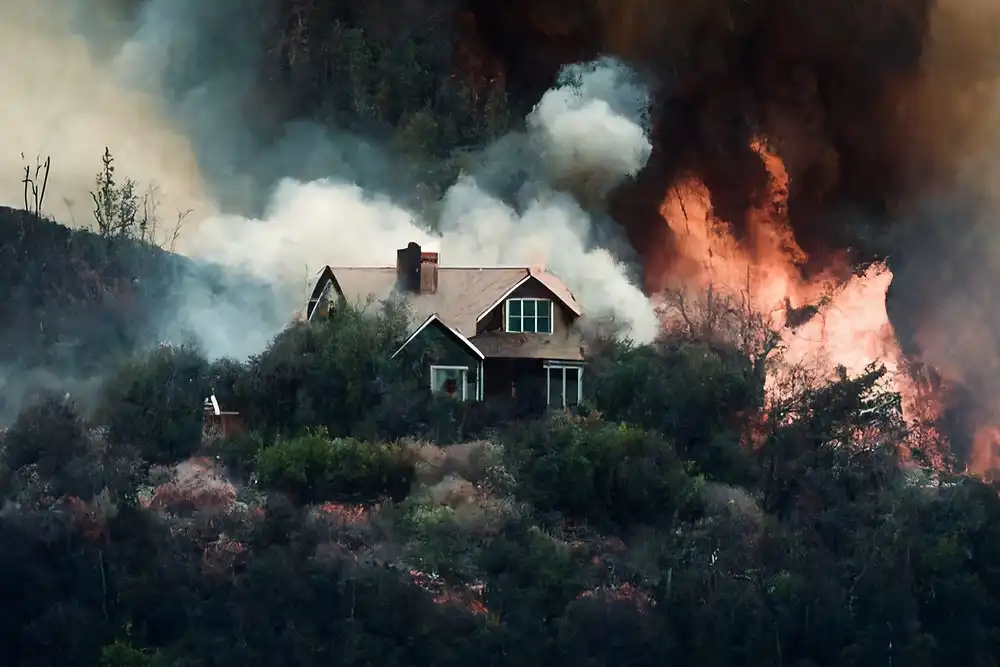
This winter fell short in providing the moisture needed to reduce wildfire exposure across Oregon. Snowpack levels came in below normal, particularly east of the Cascade Range, and that has real implications as we move into fire season. Insurance carriers are paying close attention, using brush and wildfire risk scores to evaluate communities, especially those with dense vegetation or landscaping that is overhanging or in contact with structures.
Wildfire risk will impact communities throughout Oregon, and Boards should be thinking proactively about the role their association plays in reducing exposure. The conversation is shifting toward more intentional planning around defensible space. While trimming landscaping is a starting point, the deeper discussion is about how fuel behaves in zones surrounding structures and how fire could realistically spread through a property.
Some communities, particularly in higher-risk states like California, are already exploring broader mitigation strategies such as fuel breaks to reduce the ability for fire to spread across an entire development.
Understanding Defensible Space Zones
| Zone | Distance from Structure | Primary Focus | What It Looks Like in Practice |
|---|---|---|---|
| Zone 0 | 0–5 feet | Ember-resistant / noncombustible | Hardscaping, removal of combustible materials, preventing ember ignition |
| Zone 1 | 5–30 feet | Lean, clean, green | Reduced fuels, spaced plants, pruned trees |
| Zone 2 | 30–100+ feet | Fuel reduction | Interrupting fire spread and lowering flame height |
Attention is also turning to the buildings themselves. Materials matter and can directly influence whether embers ignite a structure. Roofs, vents, siding, and other design details all play a role in reducing wildfire exposure.
Some improvements can be implemented quickly, while others are longer-term projects that may require reserve planning and capital improvements. This raises an increasingly important question for Boards and managers:
Should wildfire-hardening materials be integrated into your reserve planning to strengthen your community’s insurability profile?
Programs such as Firewise USA are also gaining traction by providing communities with a framework to assess risk, implement mitigation efforts, and demonstrate a coordinated approach to wildfire preparedness. These efforts not only improve safety but can also become valuable during underwriting conversations as communities demonstrate active risk management.
The alignment between reserve planning and insurability may become one of the most important shifts community associations make moving forward. Utilizing your reserve study strategically to strengthen your community can make all the difference.
Coverage Corner: Vacancy Clauses
Both unit owner and association policies include conditions surrounding vacancy, and they matter more than many communities realize.
Many insurance carriers apply vacancy clauses once a building reaches approximately 30% vacancy or when units remain unoccupied for extended periods. When that threshold is crossed, coverage can shift quickly. Losses involving water damage, vandalism, theft, or other property-related issues may become limited or excluded altogether.
From an underwriting perspective, vacancy increases risk because maintenance issues often go unnoticed and damage becomes more severe before discovery. Carriers are not interested in absorbing avoidable losses tied to prolonged or undetected conditions.
This becomes especially important for condominiums and HOAs. A community may appear occupied overall, but investor-owned units, active renovations, gaps between tenants, or unsold units in newer developments can all contribute to vacancy levels that affect how claims are handled.
Boards and management teams should ask themselves an important question:
Are we tracking occupancy trends closely enough to know when we are approaching a threshold that could affect coverage?
Carriers frequently ask about rental percentages and may evaluate seasonal or short-term rentals as part of vacancy exposure.
Vacancy is not simply a leasing issue. It is an insurance condition that can directly impact coverage and the financial outcome of a loss for the entire community.
Owners Question
Will a D&O policy cover an association if it is underinsured on its property insurance?
No. A Directors and Officers (D&O) policy is not designed to replace or supplement property insurance. It does not cover a shortfall when a building is underinsured.
The property policy should be evaluated regularly to ensure coverage limits remain adequate, typically targeting 100% of the replacement cost of the buildings. Rising construction costs, labor shortages, inflation, and material pricing continue to make accurate valuations increasingly important for community associations.
Infrastructure Update: Sewer Lines
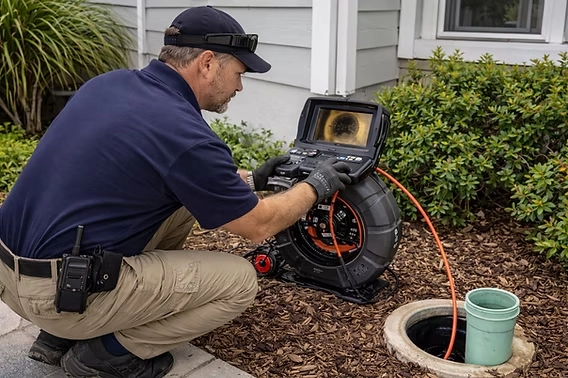
Sewer scope inspections use specialized cameras inserted into the main drain lines to evaluate underground piping conditions. These inspections identify cracks, root intrusion, offsets, corrosion, buildup, and early signs of failure that are often invisible from the surface but can lead to costly water and sewer backup claims.
This is especially important for condominiums and HOAs, particularly in older communities or properties where shared lines serve multiple units.
Inspection costs vary depending on community size, but obtaining bids and incorporating sewer inspections into reserve planning is strongly recommended. Most communities should consider inspections every three to five years, or more frequently when prior issues or aging infrastructure are present.
Proactive sewer inspections help communities:
- Plan repairs strategically
- Reduce unexpected losses
- Minimize costly emergency repairs
- Support long-term maintenance planning
- Strengthen insurability profiles with carriers
As infrastructure ages and carriers continue focusing on maintenance-related claims, preventative inspections are becoming a more important part of comprehensive risk management planning for community associations.
Save This Newsletter!
Download this newsletter in PDF format for later viewing.
For additional guidance on community association insurance, reserve planning, and risk management strategies, visit Associs.