Clubhouse Updates and How Neglecting Can Impact Your Community
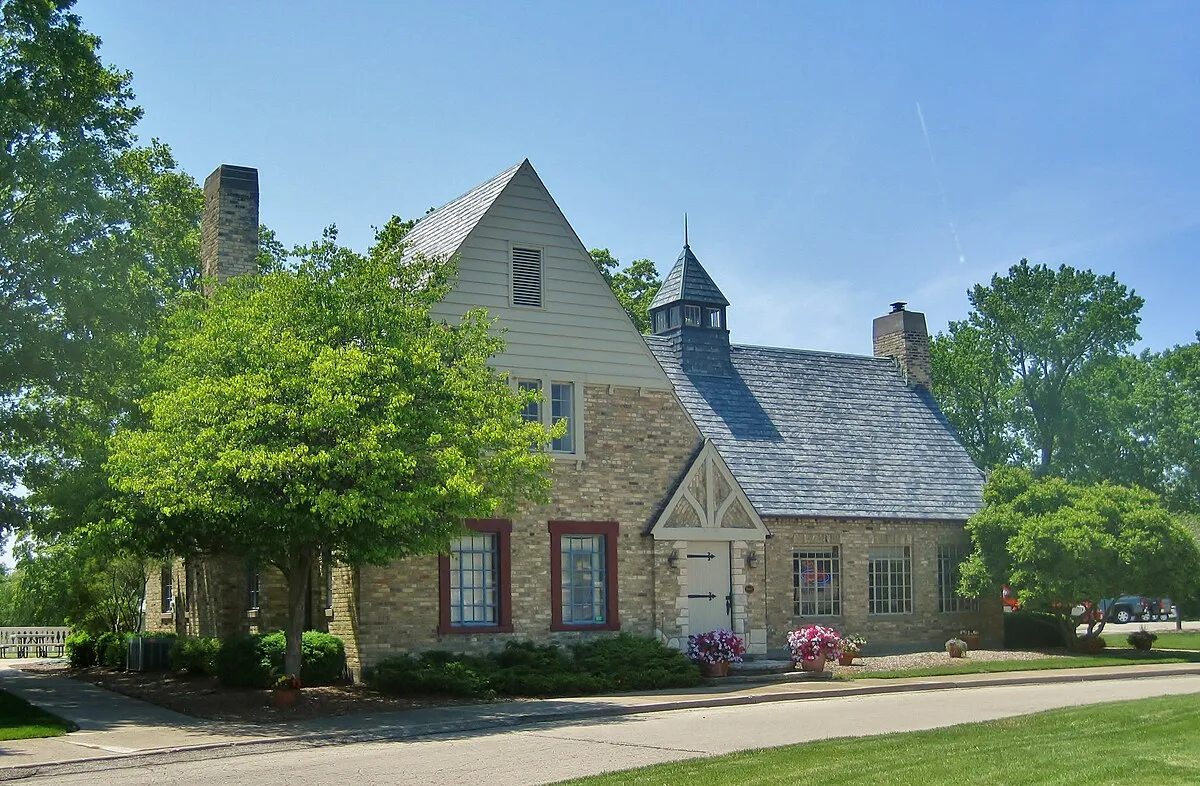
The clubhouse in a community—whether part of a condominium, homeowners association, or planned unit development—can become a liability rather than an asset if necessary updates are neglected. Insurance carriers expect critical building systems such as plumbing, electrical, HVAC, and roofing to be maintained and updated to ensure continued eligibility for preferred insurance coverage. While exterior improvements are important, maintaining these core systems is essential for risk management and insurability.
Insurance carriers are raising safety standards, particularly for structures built before 1990. Many now require documented updates to plumbing, electrical, and HVAC systems, and in some cases expect renovations to have occurred within the last 20 years. Roofs are another key focus, with carriers often requiring inspections and updates once they exceed 20 years of age. Associations that delay these improvements risk losing access to standard insurance markets and may be forced into high-risk policies with increased premiums and reduced coverage options.
Without proactive maintenance, communities may face significant financial and operational consequences. Higher premiums paid in the high-risk market could otherwise be invested in preventative inspections and upgrades. Associations should prioritize clubhouse updates within their long-term planning and reserve studies. Regular inspections and maintenance not only ensure safety and functionality but also strengthen the association’s position during insurance negotiations. Proactive planning helps the community remain competitive in the insurance market while avoiding costly surprises.
Owners’ Question: How Do Claims Work When a Pipe Between Unit Walls Breaks?
When a pipe located between unit walls breaks and causes water damage, the handling of the claim depends on the association’s governing documents and insurance policies. Regardless of the association’s insurance coverage, owners will likely need to cover some portion of the damage, whether it is the association’s deductible or repairs within their unit. Owners should promptly notify their HO-6 insurance carrier to initiate a claim and begin the process with an insurance adjuster. It is equally important to inform the association and/or management company, as their involvement may be required and any delay could complicate the claims process on the association’s policy. Responsibility for repairs or the association’s deductible is typically defined by governing documents and insurance resolutions. In most cases, each affected unit is responsible for its own repairs unless negligence is determined. Clear communication regarding maintenance responsibilities and insurance coverage is essential to prevent misunderstandings and ensure a smooth claims process.
Claims Corner: Safe Use of Power Strips
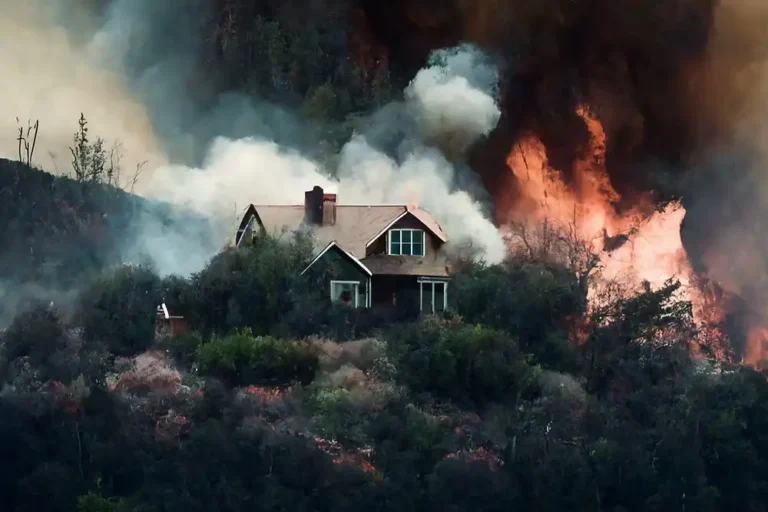
When it comes to using electrical outlets and power strips, many people rarely think twice. However, overloading plug-ins—especially when charging high-draw devices such as power tool batteries, scooters, or other equipment—can lead to devastating consequences and serious life safety hazards. In a recent claim highlighted in the newsletter, a garage fire occurred after multiple batteries were plugged into a surge protector. These devices draw significant electrical power while charging, and standard power strips are not designed to handle such heavy loads. The resulting overheating sparked a fire that quickly engulfed the garage, causing extensive damage to the home and surrounding property.
To prevent similar incidents, communities should encourage residents to follow best practices for safe plug-in use. Residents should understand the power capacity of their power strips and ensure that the total electrical load does not exceed the device’s rating. Avoiding daisy-chaining—plugging one power strip into another—is essential, as this dramatically increases the risk of overheating and fire. For high-draw devices, dedicated charging stations designed to safely handle the electrical load should be used. Chargers should be unplugged when not in use to reduce unnecessary strain on the electrical system. Power strips should be inspected regularly and replaced if they show signs of wear, such as frayed cords, scorch marks, or loose sockets, and only UL-certified or equivalent-tested devices should be used. Additionally, charging should take place in well-ventilated areas and on non-flammable surfaces to prevent heat buildup. By sharing this knowledge and raising awareness, associations can significantly reduce the risk of electrical fires and enhance community safety.
Update of the Month: Carbon Monoxide Detectors
Carbon monoxide (CO) is a colorless, odorless gas that can be deadly, making carbon monoxide detectors an essential safety feature in every home. Many insurance policies require CO detectors, and failure to install them may impact coverage. To protect residents and meet safety standards, CO detectors should be installed near sleeping areas and on every level of the home. It is important to remember that smoke detectors and carbon monoxide detectors serve different purposes and must be installed separately for proper protection. CO detectors provide early warning of dangerous gas buildup, allowing occupants time to evacuate and ensuring that the home remains compliant with safety and insurance requirements. Community association boards, particularly those with attached units, are encouraged to communicate this requirement to residents as part of ongoing safety initiatives. These simple and affordable devices play a crucial role in safeguarding lives and reducing potential liability for the association.
Save This Newsletter!
Download this newsletter in PDF format for later viewing.