people with calculator

How to Read Loss Runs and Use the Data to Strategically Plan

Loss runs are more than a record of past insurance claims. They tell a story. When reviewed thoughtfully, they reveal patterns in maintenance, operations, and risk exposure. Boards that understand how to interpret this data can move from reacting to claims to strategically planning for the future. Start by looking at the loss amounts. Are…

Associs

How Incorrect Application Answers Turn into Material Misrepresentation and Lost Coverage

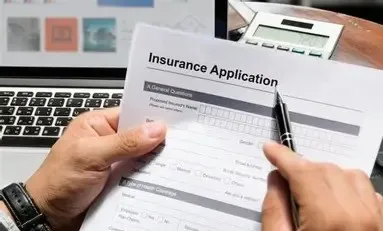
Insurance applications are legal documents, and the accuracy of the information provided is far more important than many associations realize. Material misrepresentation occurs when information on an application is inaccurate or incomplete in a way that influences an insurer’s underwriting decision. When this happens, the consequences can extend far beyond higher premiums and, in some…

Associs

Why Insurance Companies Are Judging Your Community’s Housekeeping

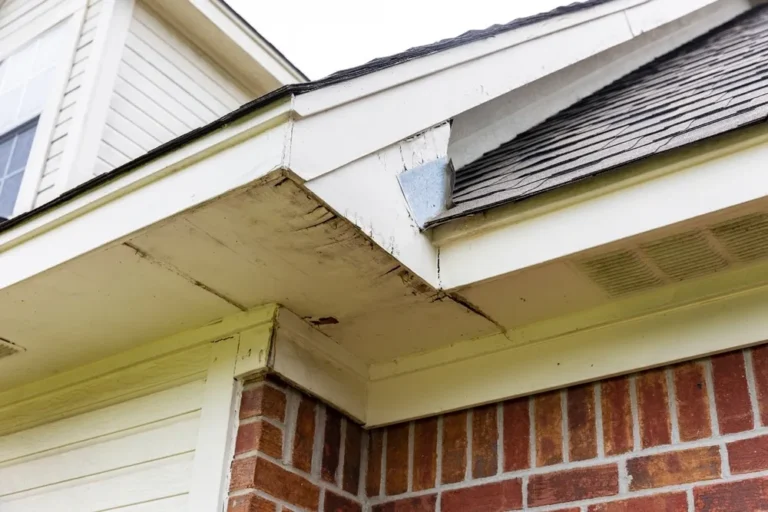
When insurance carriers evaluate a community association, they are not just reviewing loss runs and replacement values. They are increasingly assessing the overall “housekeeping” of the community. In underwriting terms, housekeeping refers to how well a community maintains its property, manages everyday risk, and plans for issues before they turn into claims. In today’s insurance…

Associs

Why a 5-Year Maintenance Plan Can Help Shape Your Association’s Insurance Future

Insurance carriers are no longer evaluating communities based solely on premium and claims history—they are increasingly focused on the maintenance story a building tells. A well-structured five-year maintenance plan provides the roadmap underwriters want to see, outlining when roofs will be replaced, when plumbing risers are scheduled for upgrades, which balconies or decks are due…

Associs

Winter Readiness: Protecting Your Community Before Claims Happen

As winter approaches, water losses and freeze-related damage quickly become some of the most common and easily preventable claims in condominium and HOA communities. November is the ideal time for boards and homeowners to take simple steps that can significantly reduce the risk of disruptive and costly insurance events. Whether your community has a clean…

Associs

2025 Legislative Update

The 2025 Oregon legislative session introduced a surge of bills that directly impact homeowners and condominium associations. These proposals addressed key issues such as construction defect liability, land use, and community governance, sparking important conversations about property rights and financial responsibility. It is essential for boards, managers, and homeowners to understand these legislative developments and…

Associs

Choosing the Wrong Contractor is Costly

When boards choose a contractor, the pressure to stay within budget can tempt even the most well-meaning association into cutting corners—but the cheapest bid often comes with the highest long-term price. Hiring an unqualified, uninsured, or poorly vetted contractor opens the door to construction defects, failed inspections, and liability exposure that insurance may not cover….

Associs

BBQs and Insurance: What Associations Need to Know from an Underwriting Perspective

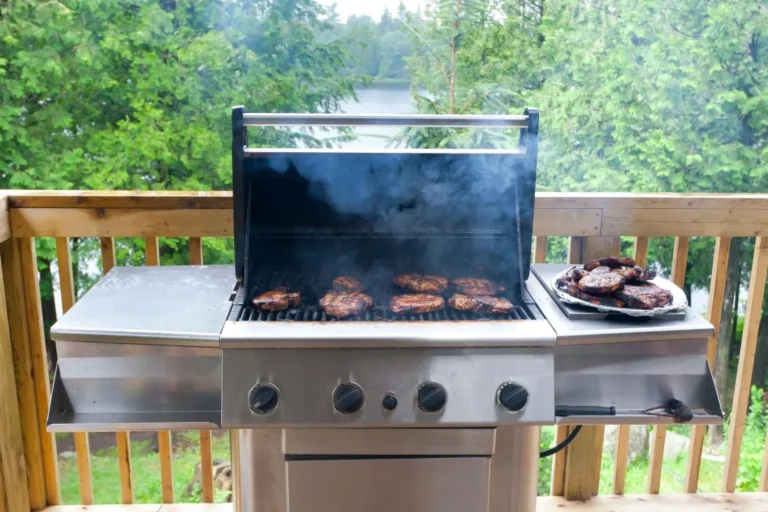
Barbecues may be part of the American lifestyle, but from an insurance underwriting standpoint—especially for condominiums and attached townhome communities—they are increasingly viewed as a significant risk exposure. Carriers have long prohibited the use of charcoal and wood-burning grills due to their open-flame nature and elevated fire risk. Today, even gas and propane grills are…

Associs

How to Get Out of the High-Risk Insurance Market

If your condominium association finds itself in the high-risk insurance market, the first—and most important—question to ask is: why are we here? Understanding the root cause is essential to creating a path forward. Sometimes, the risk classification stems from factors outside your control, such as wildfire exposure, geographic location, or the building’s original construction. More…

Associs

Did You Receive a Non-Renewal? What to Do

Receiving a non-renewal notice on your association’s insurance policy can feel overwhelming, but it is not the end of the road. Instead, it serves as a signal to act quickly and strategically. Whether the non-renewal is due to claims history, wildfire risk, aging infrastructure, or changes in underwriting guidelines, the key is to stay calm,…

Associs

Effective Communication: A Key to Stronger Community Associations

Clear and proactive communication between a community association’s Board of Directors and homeowners is essential for fostering a well-informed, engaged, and cooperative community. Many conflicts arise simply because owners are unaware of community rules or where to find governing documents such as CC&Rs, bylaws, and policies. To prevent misunderstandings, boards should ensure these resources are…

Associs

Clubhouse Updates and How Neglecting Can Impact Your Community

The clubhouse in a community—whether part of a condominium, homeowners association, or planned unit development—can become a liability rather than an asset if necessary updates are neglected. Insurance carriers expect critical building systems such as plumbing, electrical, HVAC, and roofing to be maintained and updated to ensure continued eligibility for preferred insurance coverage. While exterior…