How to Get Out of the High-Risk Insurance Market
If your condominium association finds itself in the high-risk insurance market, the first—and most important—question to ask is: why are we here? Understanding the root cause is essential to creating a path forward. Sometimes, the risk classification stems from factors outside your control, such as wildfire exposure, geographic location, or the building’s original construction. More often, however, internal factors within the association’s control can be addressed to improve insurability and open the door to more competitive pricing in the standard or preferred insurance market. The two biggest reasons associations end up in the high-risk market are poor loss history and aging infrastructure. Frequent or severe water damage claims, often due to deferred maintenance or outdated systems, raise red flags with underwriters and suggest a lack of proactive care. Associations should evaluate major building systems such as roofs, plumbing, and electrical and develop a documented plan for ongoing upkeep and replacement. Insurance carriers increasingly expect these components to be updated or at least inspected when they are more than 20 years old. Governance also plays a critical role; failing to maintain adequate financial reserves or ignoring reserve study recommendations can weaken an association’s insurance profile. Insurers expect both associations and individual unit owners to share responsibility for maintaining the property. Improving an insurance position takes time and consistent effort, but it is absolutely achievable. With the right strategy and a proactive mindset, an association can transition out of the high-risk market and secure broader, more affordable coverage options that better protect the community.
Action Items for Association Boards and Owners
To move toward eligibility for preferred insurance markets, associations should take several proactive steps. Begin by reviewing claims history to identify patterns or preventable losses and use this information to guide future risk management decisions. Develop and implement a comprehensive maintenance plan that goes beyond reserve study requirements, ensuring that critical building systems are regularly inspected and updated. Engage unit owners in risk management by encouraging preventative maintenance within their units and maintaining a documentation log of repairs, inspections, and improvements. Consider strategically increasing the association’s deductible to reduce the frequency of smaller claims that can negatively impact loss history. Finally, work with a specialty insurance broker who focuses on community associations and provides strategic guidance throughout the year, not just at renewal. This expertise can significantly improve placement opportunities and overall insurance outcomes.
Unit Owner Question: If the Association Has Insurance, Why Do I Need My Own Policy?
While the association’s master policy typically covers common areas and, in some cases, the structure of individual units, it does not protect everything. Unit owners may be responsible for the interior of their unit or for damages up to the amount of the association’s deductible, particularly if the governing documents require owners to insure their own units. An HO-6 policy helps bridge these gaps by providing coverage for interior improvements, personal property, temporary housing expenses, and special assessments that may be collectively shared among owners. The community’s governing documents outline these insurance requirements, and owners should work with their community manager to obtain the association’s insurance summary. Consulting with a personal insurance agent ensures that the owner has the appropriate level of protection in place.
Coverage Corner: Assault and Battery Exclusion
Many condominium associations are unaware that their general liability or umbrella insurance policies may include an Assault and Battery Exclusion, a clause that removes coverage for claims involving physical altercations, even when the association is not directly involved. This exclusion can leave associations financially responsible for legal defense costs and settlements if incidents occur in common areas. In today’s legal environment, associations are often named in lawsuits regardless of fault, making this exclusion a significant financial exposure. For example, in one real-world scenario, two residents became involved in a physical altercation near a community clubhouse. Although the association had no direct involvement, it was sued for allegedly failing to provide adequate lighting and for not having a proper response protocol. The resulting legal and settlement costs totaled tens of thousands of dollars and were not covered due to the exclusion. Boards should carefully review their policies to determine whether this exclusion is present and understand its implications. Associations with security patrols, shared amenities, or high resident density may be particularly vulnerable. Even when coverage is unavailable, proactive measures such as improving lighting, installing signage, and implementing documented incident response procedures can help mitigate risk and reduce potential liability.
Update of the Month: Small Filters, Big Impact—Preventing Claims with Simple Maintenance
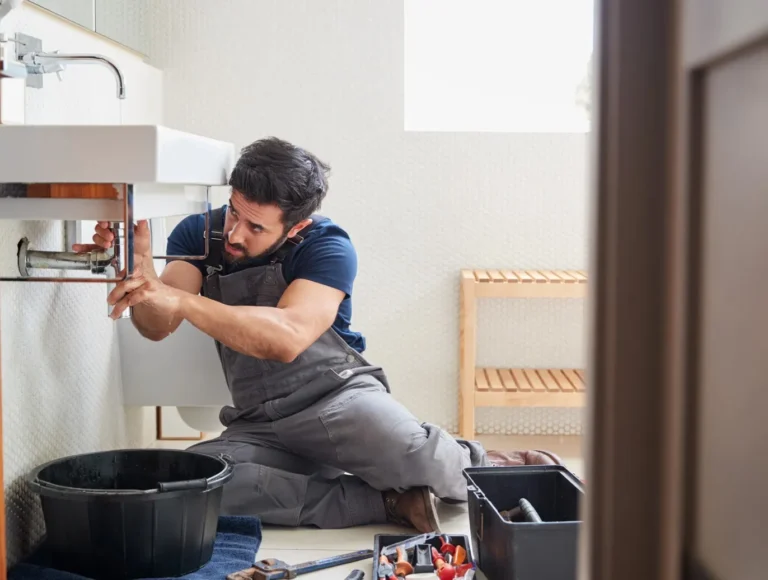
Some of the most common and costly insurance claims stem from preventable water damage caused by overlooked household components. Replacing filters and inspecting water lines may seem minor, but these simple tasks can save thousands of dollars in repairs and help avoid insurance complications. Air conditioning and HVAC filters should be replaced every one to three months to maintain proper airflow and prevent condensation leaks. Refrigerator water lines should be inspected annually and replaced approximately every five years, as aging or kinked lines are prone to cracking and hidden leaks. Water filters, commonly found in refrigerators or under-sink systems, should be changed every six months to prevent buildup and pressure issues that could lead to leaks. Dishwasher supply lines should be inspected yearly and replaced every five to seven years, as a failed hose can quickly flood a kitchen. Taking a few minutes each season to check and replace these components is one of the easiest ways owners can help prevent water damage, reduce insurance claims, and protect both their home and the broader community. Maintaining documentation of these inspections and replacements is also recommended.
Save This Newsletter!
Download this newsletter in PDF format for later viewing.