BBQs and Insurance: What Associations Need to Know from an Underwriting Perspective
Barbecues may be part of the American lifestyle, but from an insurance underwriting standpoint—especially for condominiums and attached townhome communities—they are increasingly viewed as a significant risk exposure. Carriers have long prohibited the use of charcoal and wood-burning grills due to their open-flame nature and elevated fire risk. Today, even gas and propane grills are being closely scrutinized. Many insurers in the high-risk market will not offer terms unless a formal and enforceable BBQ policy is in place. For underwriters, the presence of grills on balconies or near combustible structures represents a preventable hazard that can lead to catastrophic multi-unit losses. A commonly adopted safety guideline, supported by many insurance carriers and fire codes, requires grills to be placed at least 10 feet away from any structure, including walls, railings, and overhangs. However, most multi-family communities lack the physical space to meet this requirement on private patios or balconies, leading insurers to increasingly mandate complete bans on all types of grills in these areas regardless of fuel type. Underwriters are also becoming more vigilant in their risk assessments. In addition to reviewing applications and loss history, they frequently examine online sources such as Google Street View, MLS listings, and owner-posted real estate photos to identify potential hazards. If a grill is visible, it can result in ineligibility or even non-renewal following a loss control inspection. For associations already navigating a challenging insurance market, unmanaged BBQ use can further hinder the ability to secure competitive coverage. Boards should adopt and enforce clear grill policies, educate residents on the insurance implications, and document compliance, recognizing that what may seem like a small convenience to one owner can jeopardize insurability for the entire community.
Unit Owner Question: What Steps Can I Take as a Unit Owner to Reduce My Insurance Costs?
Unit owners can take several proactive steps to reduce their personal insurance costs while ensuring adequate protection. The first step is to meet with an insurance agent to review coverage and confirm that it aligns with the association’s master policy, helping to avoid being either overinsured or underinsured. Owners should also inquire about available discounts, as many carriers offer savings for bundling policies, installing alarm systems, or maintaining a claims-free history. Installing water leak detectors or automatic shut-off valves can further reduce premiums, sometimes by five percent or more. Additional strategies include raising the deductible if financially comfortable, maintaining good credit, and upgrading outdated plumbing or electrical systems. A simple policy review can significantly optimize coverage and lower insurance expenses.
Coverage Corner: Foundations
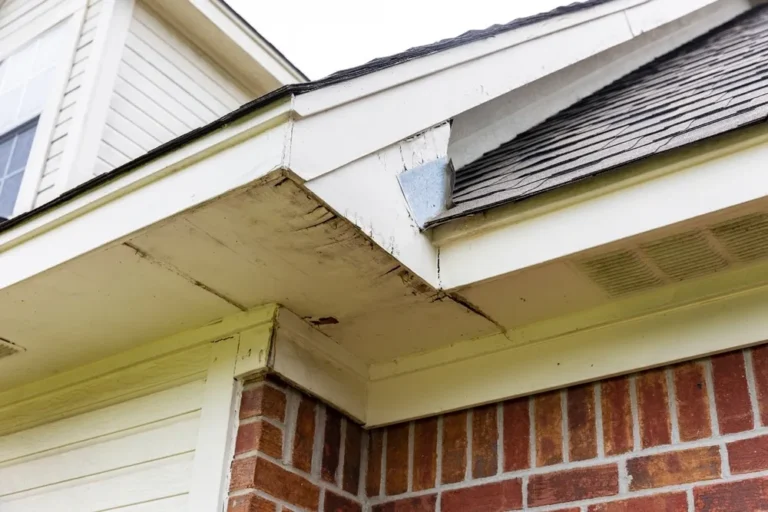
In today’s tightening insurance market, foundations are becoming an increasing concern for condominium and homeowners associations. As communities move into high-risk markets due to claims history, wildfire exposure, or aging infrastructure, many insurers are scaling back coverage, increasing deductibles, or excluding certain structural elements, including foundations. This creates a substantial financial exposure for associations. If foundation damage results from non-covered causes such as earth movement, drainage failure, or long-term settling, the cost of repairs may fall entirely on the association or be passed to owners through special assessments. Boards should proactively review their current policy language to understand how foundation coverage is addressed. In some high-risk placements, coverage may be sub-limited, excluded, or contingent upon the damage stemming from a covered peril. Working with a broker who specializes in community associations is essential, as they can help identify coverage gaps, negotiate broader terms, and implement risk management strategies that demonstrate responsible property maintenance. These strategies may include proper site grading, regular structural inspections, and prompt response to plumbing or drainage issues. In a market where underwriters are seeking reasons to restrict coverage, proactive foundation maintenance can significantly improve insurability and reduce financial strain.
Update of the Month: BBQ Prep and Safety Starts with Cleaning
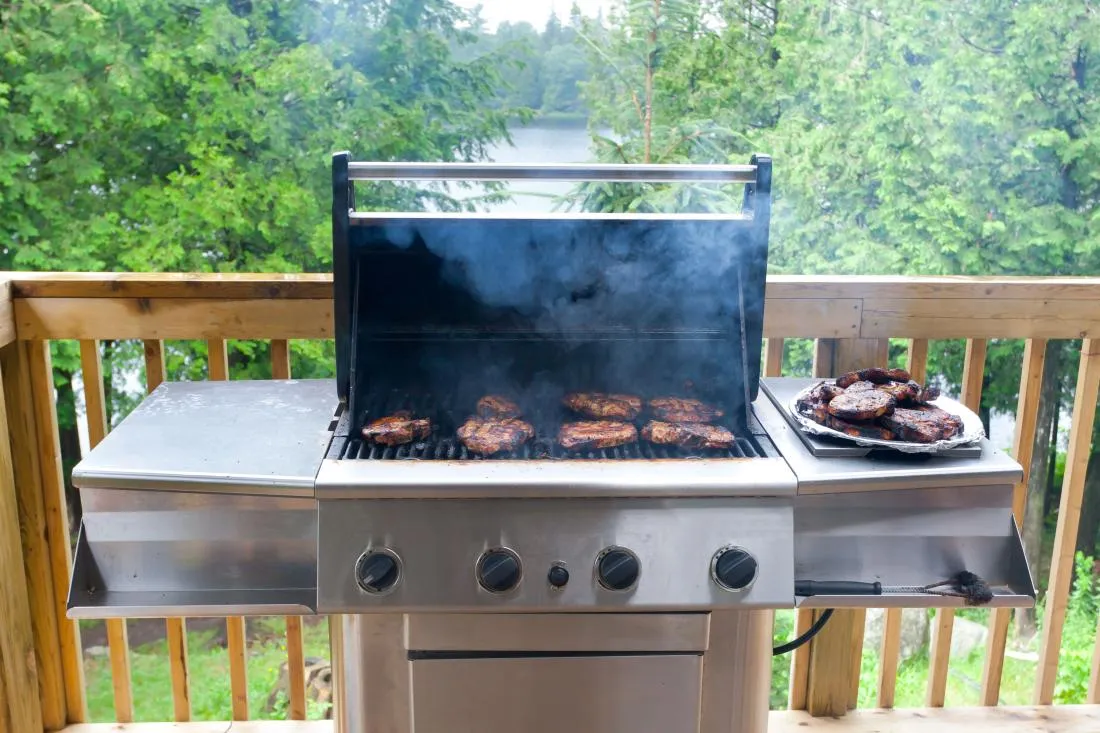
Before firing up the grill this season, taking time to properly prepare and maintain BBQ equipment is essential for preventing fires and protecting the community. Improperly maintained grills are a leading cause of residential fires, and in multi-family communities, a single incident can quickly escalate into a multi-unit insurance claim. Always ensure that grills are positioned away from combustible materials, including buildings, railings, and nearby items, to reduce fire risk. Whether an association permits propane grills or provides designated BBQ areas, safe use begins with regular cleaning and inspection. Owners should check for gas leaks by applying a soap-and-water solution to hose connections, with bubbling indicating a leak. Grease trays and traps should be cleared to prevent flare-ups, and hoses and burners should be inspected for cracks, wear, or blockages before each use. Keeping a fire extinguisher nearby and never leaving a grill unattended are additional essential safety practices. These simple precautions can protect not only individual homes but also neighboring units from costly and preventable damage.
Save This Newsletter!
Download this newsletter in PDF format for later viewing.