Why Insurance Companies Are Judging Your Community’s Housekeeping
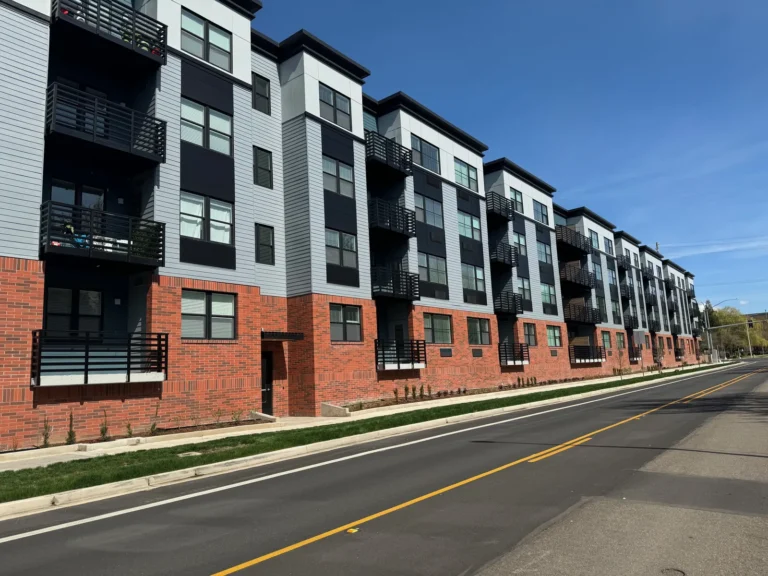
When insurance carriers evaluate a community association, they are not just reviewing loss runs and replacement values. They are increasingly assessing the overall “housekeeping” of the community. In underwriting terms, housekeeping refers to how well a community maintains its property, manages everyday risk, and plans for issues before they turn into claims. In today’s insurance market, this evaluation can directly impact pricing, deductibles, coverage terms, and long-term insurability. Claims history remains one of the strongest indicators of risk, but it does not look the same for every community. In older communities, insurers often see losses tied to aging infrastructure that has reached or exceeded its useful life. In newer communities, claims tend to appear earlier than expected and are frequently connected to construction quality issues, unclear maintenance responsibilities after developer turnover, or systems assumed to be low risk simply because they are new. In both cases, underwriters are looking for patterns that suggest losses could have been reduced or avoided. Insurance policies are designed to respond to sudden and accidental events, not to function as a maintenance plan. When claims stem from predictable issues that develop over time, carriers view those losses differently. Repeated claims of this nature signal gaps in maintenance, oversight, or accountability, which directly influence underwriting decisions. Maintenance responsibility exists at both the association and unit-owner level. While associations manage common elements, unit-level conditions often drive the most frequent and costly claims. Carriers increasingly expect associations to understand what is happening inside units, not just in shared spaces. Gathering data from owners, such as the age of plumbing components or the presence of mitigation measures, allows the association to demonstrate awareness and proactive risk management during renewal discussions. Reserve planning and liability exposure further shape how a community is viewed. Adequate reserves show readiness to address upcoming repairs before failures occur, while routine inspections and timely corrections help reduce injury-related claims. Ultimately, insurance companies are not judging whether a community is old or new; they are evaluating how well risk is understood, documented, and managed. Associations that invest in maintenance, collect meaningful data, and clearly present their risk profile are better positioned to negotiate favorable renewal terms and maintain stable coverage in a challenging insurance market.
Owners’ Question: How Does an Insurance Broker or Agent Get Paid?
Insurance brokers and agents are typically compensated through a commission that is included in the insurance policy premium and paid by the insurance company. This commission structure is standard across the industry and does not appear as a separate line item billed to the client. In some cases, an agency may also charge a fee for services such as policy placement or consulting. When this occurs, the fee must be disclosed so the association understands how the broker is being compensated. What matters most is whether the compensation structure aligns with the value provided to the community. Associations should feel comfortable asking why a fee is being charged in addition to commission, what services it covers, and how it benefits the association. Transparency and clear communication help ensure that compensation aligns with expectations and supports a strong professional relationship.
Coverage Corner: Protective Sprinkler System Endorsement – Understanding Its Conditions
Many community associations are surprised to learn that their insurance policy may place strict conditions on the operation of their fire sprinkler system. These requirements are often found in what is commonly referred to as a Protective Sprinkler Guard Endorsement, or similar protective safeguards language within the policy. While the wording may vary by carrier, the intent is consistent: the sprinkler system must remain operational, and the insurer must be notified when it becomes impaired. A common provision states that if a sprinkler system is shut down or impaired for more than a specified period, often 48 hours, the insurance company must be notified. If this notification does not occur and a fire loss happens while the system is down, coverage for that loss may be reduced or denied. This can come as a surprise, particularly when the shutdown was unplanned or viewed as temporary. Sprinkler impairments often arise during routine events such as storms that damage or freeze lines, testing that reveals issues requiring repair, or planned upgrades that leave portions of the system offline longer than expected. From an underwriting perspective, sprinkler systems are critical life-safety and loss-control features. When a system is not functioning, the building’s risk profile changes immediately. The endorsement ensures the insurer is aware of this change and may require temporary safeguards, such as fire watches, during the impairment period. Clear communication and documentation are essential. Associations should define who is responsible for monitoring sprinkler status, tracking impairment duration, and notifying the insurance agent or carrier when required. Without a clear process, compliance gaps often go unnoticed until after a loss. Understanding and proactively managing this endorsement helps protect life, property, and insurance coverage.
Update of the Month: Winter Gutter Cleaning Still Matters
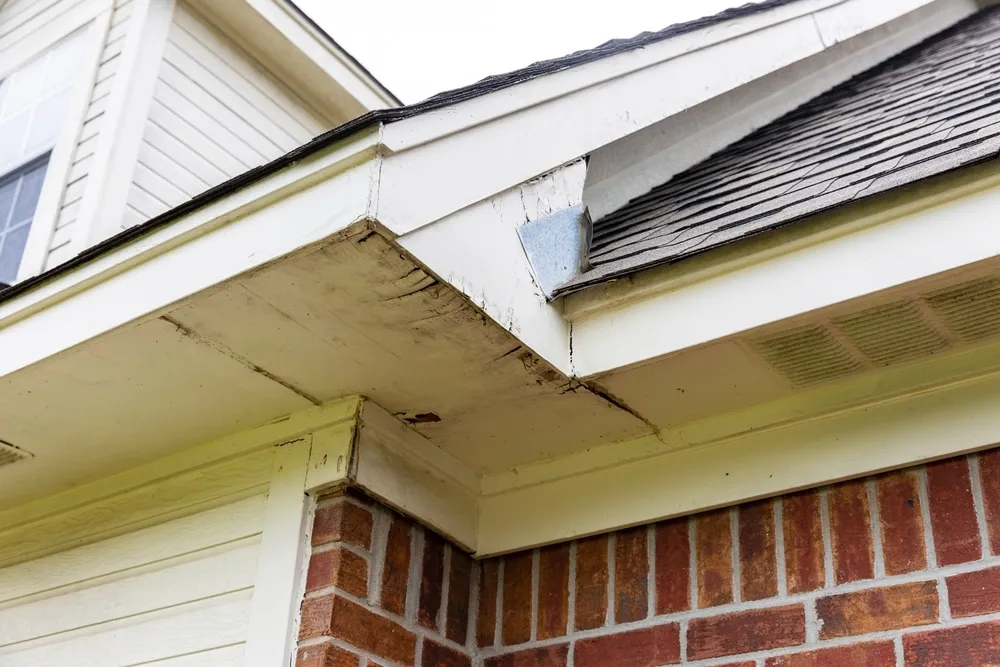
Gutter cleaning is often thought of as a fall task, but winter conditions can quickly undo earlier efforts. Leaves and debris continue to accumulate long after trees appear bare, and late leaf drop can quietly collect in corners and downspouts. When this buildup mixes with winter rain or melting snow, it can restrict water flow without being immediately obvious. Clogged gutters in colder weather also increase the risk of ice damming. When water cannot drain properly, it can freeze along roof edges, forcing melting snow back under shingles and into building materials. Even during milder winters, trapped moisture can lead to overflow, deterioration of gutter systems, and water intrusion near roofs, siding, and foundations. A mid-winter inspection helps reduce these risks and can prevent small maintenance issues from turning into costly repairs or insurance claims.
Save This Newsletter!
Download this newsletter in PDF format for later viewing.