How to Read Loss Runs and Use the Data to Strategically Plan
Loss runs are more than a record of past insurance claims. They tell a story. When reviewed thoughtfully, they reveal patterns in maintenance, operations, and risk exposure. Boards that understand how to interpret this data can move from reacting to claims to strategically planning for the future.
Start by looking at the loss amounts. Are there several small claims that show a pattern over time, or is there one large loss that significantly skews the numbers and is unlikely to happen again? Underwriters pay close attention to frequency just as much as severity. A series of smaller water losses may indicate an ongoing issue that needs attention, even if no single claim feels catastrophic.
Next, evaluate whether there is a pattern in the type of losses. Repeated toilet overflows, drain backups, sprinkler line breaks, or roof-related water intrusion often point to aging components or deferred maintenance. If losses occur when owners are away from their units, that may signal the need for stronger owner education or policy adjustments. Trends matter. They help guide the Board and association toward better decisions.
Loss runs should also prompt critical thinking. Could the loss have been prevented? Even weather-related claims sometimes have contributing factors. Proper insulation and venting of pipes and sprinkler lines can prevent frozen or broken lines. Each claim should lead to a discussion about what can be improved moving forward.
Liability losses deserve particular attention. Slip and fall claims, trip hazards, or injury allegations may indicate gaps in property maintenance or operational oversight. Boards must ask whether hazards were identified and addressed promptly and whether fiduciary responsibilities were fulfilled. Liability claims are often early warning signs to underwriters.
Reviewing the losses in your community can help identify actions to reduce risk. Use this data strategically for your benefit.
Coverage Corner: Finding a Way Out of the High Risk Insurance Market

Many condominium associations have recently found themselves placed in the high risk insurance market. This typically happens after a period of claim activity, aging building components, or underwriting concerns that make the property more difficult for preferred carriers to insure.
Once an association lands in this market, the impact can be immediate. Premiums rise significantly, deductibles increase, and coverage options may become more limited. While the situation can feel discouraging, high risk placement does not have to be permanent.
Insurance carriers want to see communities that are actively managing their risk and addressing the issues that led to the placement.
A good place to start is reviewing the association’s loss history and looking for patterns that may point to maintenance gaps or aging infrastructure. Repeated water losses, drain backups, or roof-related claims often signal that certain components need closer attention.
Risk management in a condominium community is rarely just the responsibility of the Board. Owners also play an important role. Establishing clear maintenance expectations, documenting responsibilities through policies or resolutions, and communicating those expectations regularly helps ensure everyone is working toward the same goal of protecting the property.
Boards that focus on preventive maintenance, document improvements, and work collaboratively with owners begin to shift the narrative with underwriters. Over time, these efforts can strengthen the association’s risk profile and create a pathway back to the preferred insurance market.
Having an insurance advisor who approaches the relationship through a risk management lens can be a meaningful advantage in helping communities move forward.
Update of the Month: Cleaning Up Decks and Balconies

Balconies and patios require routine attention to prevent avoidable damage. Leaves, dirt, and debris can collect around drains and along edges over time. When drains are blocked, water has nowhere to go and can back up toward the building, seep under doors, or migrate into exterior walls.
Even routine plant watering or moisture trapped beneath outdoor rugs can slowly deteriorate decking or concrete surfaces. Keeping drains clear and allowing surfaces to dry helps protect both your unit and the building.
Owners, if you notice standing water, soft spots, cracking, or drainage issues, communicate those concerns to the association promptly. Early reporting allows the Board to evaluate the situation and determine next steps.
The association is encouraged to involve appropriate experts such as consultants, contractors, legal counsel, insurance advisors, or banking partners to support a smooth and well-managed process.
Consistent maintenance and timely communication help prevent minor issues from becoming larger and more costly problems.
Owners Question
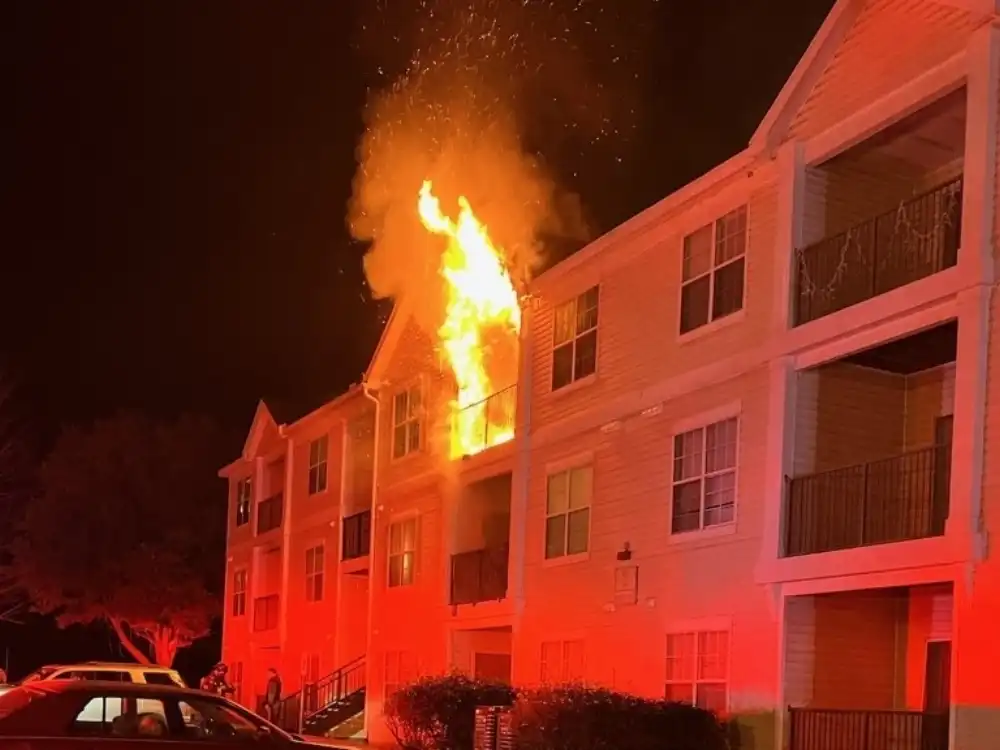
If a fire starts in a neighboring unit and spreads, damaging your personal property, your condo insurance can still respond.
When an owner is at fault for a loss that affects neighboring property, liability insurance may come into play. A claim can be filed under the negligent owner’s policy, but the process can take time while the carrier investigates and determines liability.
In many cases, using your own property policy allows repairs to begin more quickly, even if it requires paying your deductible. Your insurance carrier can then pursue recovery from the responsible party through subrogation.
Save This Newsletter!
Download this newsletter in PDF format for later viewing.