Winter Readiness: Protecting Your Community Before Claims Happen
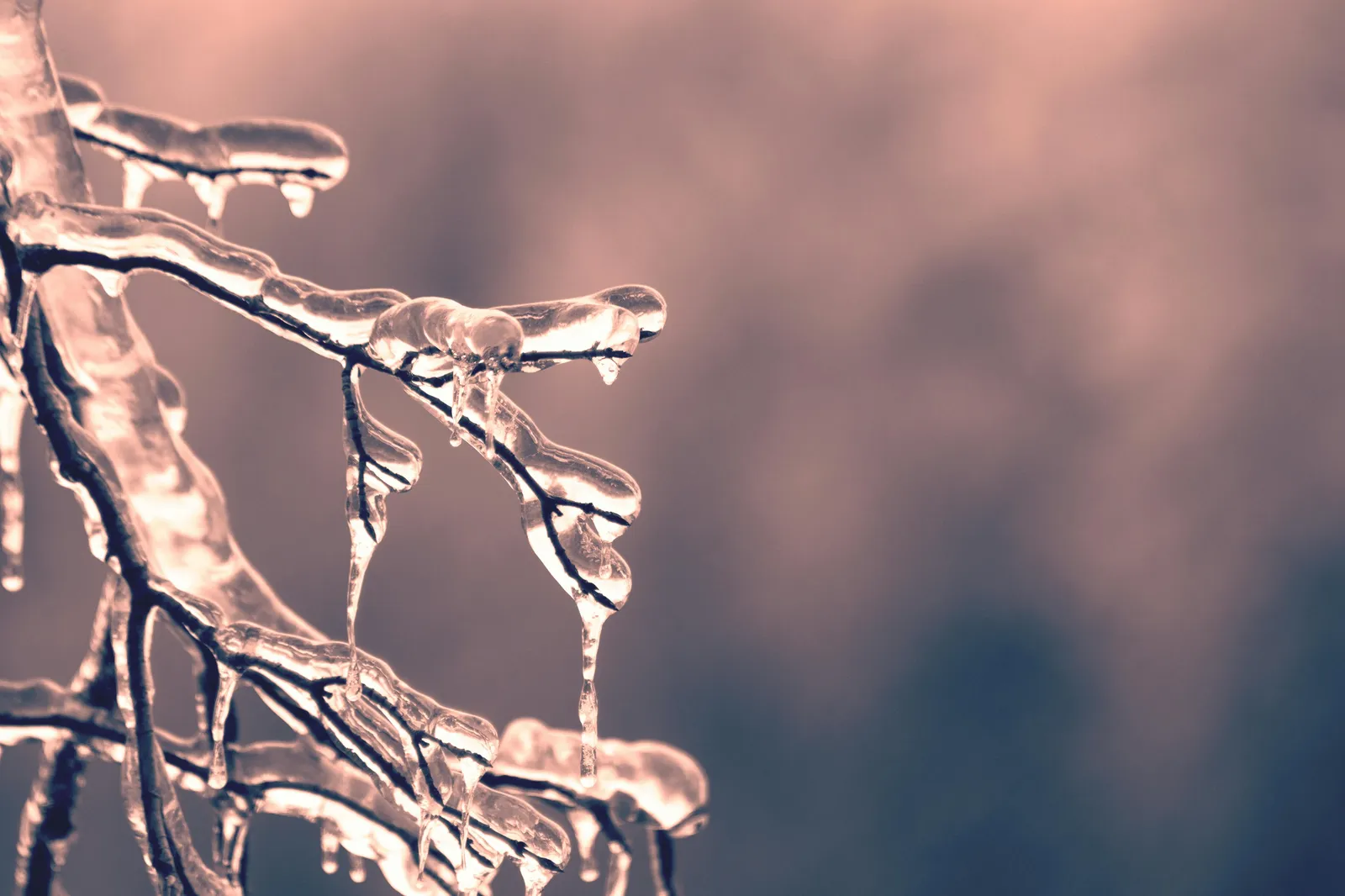
As winter approaches, water losses and freeze-related damage quickly become some of the most common and easily preventable claims in condominium and HOA communities. November is the ideal time for boards and homeowners to take simple steps that can significantly reduce the risk of disruptive and costly insurance events. Whether your community has a clean loss history or has experienced past claims, proactive maintenance is one of the most effective ways to demonstrate to insurance carriers that your association is responsible and lower risk. When associations show consistent care and attention, they not only reduce claims but also gain access to more competitive insurance markets. Deferred maintenance in both common areas and homeowner-responsible components is a major contributor to preventable losses. Boards can support owners by providing seasonal reminders, educational tips, and guidance that help everyone contribute to a safer and better-maintained community. Key priorities as cold weather approaches include preventing frozen pipes, including fire sprinkler systems, by insulating exposed pipes, draining and covering exterior hose bibs, and encouraging homeowners to maintain indoor temperatures of at least 55 degrees even while traveling. Associations should also reduce water intrusion by clearing gutters, checking downspouts, ensuring water drains away from buildings, and inspecting roof flashing for weak spots, especially in communities with heavy tree coverage. Preparing for winter storms by stocking ice melt, reminding owners to use caution on walkways, reviewing claim procedures, and sharing preferred vendor contact lists is equally important. Additionally, reducing fire and electrical risks by cleaning dryer vents, confirming whether buildings contain recalled or high-risk electrical panels such as Challenger or Federal Pacific Stab-Lok, and avoiding the use of barbecues within ten feet of flammable surfaces can further protect the community. By addressing these maintenance items early, associations can prevent avoidable losses and demonstrate to both current and future insurance carriers that they take building health seriously. This proactive planning supports long-term financial stability and fosters a well-informed and engaged community where claims become less frequent and premiums more predictable.
“My Contractor Suggested It”: When Well-Meaning Advice Leads to Big Problems
It is not uncommon for contractors to suggest filing an insurance claim when they observe potential damage, but not every recommendation serves the best interest of the association or homeowner. For example, a contractor may suggest that a roof “could have hail damage” following a storm. While these recommendations are often well-intentioned, contractors are not trained to evaluate policy coverage, claim impact, or long-term insurance consequences. If the roof is nearing the end of its lifespan and has not been maintained according to the manufacturer’s warranty, a claim may be denied and still count against the association’s loss history, potentially increasing premiums for years to come. Insurance is designed to cover sudden and accidental losses rather than deferred maintenance or age-related wear. When contractors encourage claims for borderline issues, associations and homeowners may face unintended financial consequences. Instead of relying solely on a contractor’s opinion, boards should consult their insurance professional and consider obtaining an assessment from a licensed adjuster or engineer. The best practice is to maintain, document, and plan. Routine inspections, reserve-funded repairs, and proactive maintenance provide far greater protection than unnecessary claims. A trusted insurance advisor can help determine when filing a claim is appropriate and when it is better to address the issue through maintenance.
Owners’ Question: I’m a New Owner in My Community—What’s the First Thing I Should Do?
Moving into a new community is an exciting experience, but it also comes with a shared responsibility to understand how the association operates. The first and most important step for any new owner is to review the association’s governing documents, including the declaration, bylaws, rules and regulations, and any amendments or board resolutions. These documents form the foundation of the community, outlining both the association’s responsibilities and the expectations placed on homeowners. Understanding these documents early helps prevent confusion, avoid violations, and foster stronger relationships between owners, management, and the Board of Directors. It is common for new owners to assume that the Board “handles everything,” but a thriving community depends on active and informed participation from all residents. Community living is truly a team effort, and taking the time to learn how the association functions—and the role each owner plays—is one of the best investments in protecting personal property, supporting neighbors, and ensuring the long-term success of the community. New owners are also encouraged to stay engaged by attending meetings, joining committees, or simply remaining informed about community initiatives.
Update of the Month: Crawlspace Inspections
As the seasons change, scheduling crawlspace inspections is an important step for both homeowners and associations. These often-overlooked areas can conceal issues such as moisture buildup, pest or rodent activity, and insulation damage, all of which can lead to costly repairs if left unaddressed. Association insurance policies typically do not cover damages caused by rodents, gradual leaks, or deterioration resulting from neglect, making early detection and maintenance especially critical. A simple inspection can identify potential concerns before they escalate, helping to protect the building structure and the financial investment of both the association and individual homeowners.
Save This Newsletter!
Download this newsletter in PDF format for later viewing.