Underwriting Eligibility Guidelines That Impact Associations
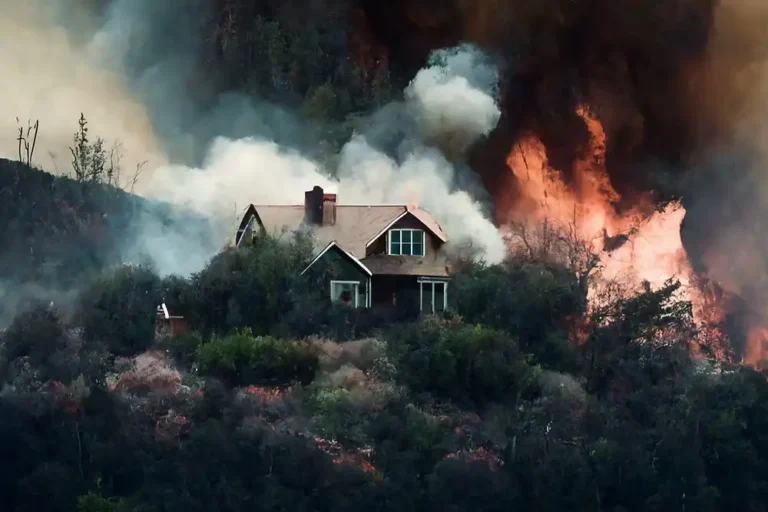
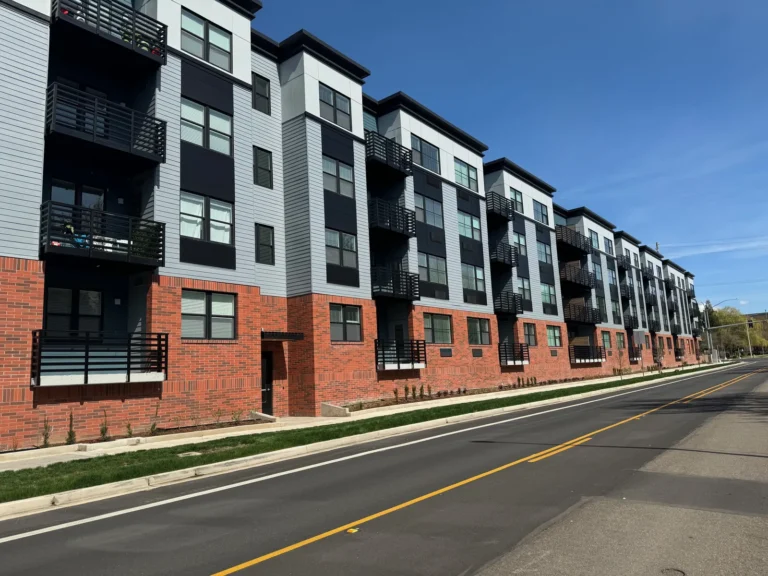
Insurance premiums continue to be volatile, and the financial strain is especially significant for community associations that experience non-renewals and are forced into high-risk insurance markets. This situation can be financially detrimental, making it essential for communities to proactively address issues that may prevent eligibility for preferred insurance options. Insurance companies evaluate multiple risk factors when determining eligibility, and while claims history is important, several underwriting guidelines can significantly influence an association’s ability to secure favorable coverage. Galvanized piping is prone to corrosion and failure, leading to water damage claims, and is no longer accepted in most insurance markets. Stab-Lok electrical panels, particularly those manufactured by Federal Pacific, present serious fire hazards and must be replaced immediately. Aluminum wiring, even when pigtailed, is widely considered ineligible due to its tendency to overheat and cause fires. Buildings over 25 years old are closely scrutinized for updates to plumbing, heating, electrical systems, and roofing. Fire sprinkler systems are critical for eligibility in larger buildings, and any deficiencies can negatively impact underwriting decisions. Horizontal railings create a climbing hazard and expose associations to liability, though temporary solutions such as protective mesh may be acceptable until permanent modifications are made. Brush exposure and wildfire risk are increasingly affecting insurability, making Firewise certification a valuable risk mitigation strategy. Wood shake siding or roofing significantly increases fire risk, and associations should consider fire-retardant alternatives and the installation of firewalls where appropriate. Large wood-frame buildings with values exceeding $3 to $5 million may face additional challenges in obtaining preferred insurance terms. Roofs older than 20 years, even those with extended warranties, typically require annual inspection reports to remain eligible. Regardless of whether these components fall within unit owner or association responsibility, insurance carriers expect communities to address these issues proactively. Associations that delay action may face non-renewals and substantially higher premiums, making early planning and community-wide coordination essential.
Owners’ Curious Question: What Is the Difference Between a Homeowner’s Policy and a Renter’s Policy?
Understanding the distinction between homeowner and renter insurance policies is essential for both owners and tenants within community associations. A homeowner’s policy provides property coverage for the unit itself and can also insure the owner’s responsibility for the association’s deductible. In shared-wall communities such as condominiums or townhomes, an HO-6 policy is typically recommended. In contrast, a renter’s policy (HO-4) does not provide coverage for the structure or the association’s deductible; instead, it covers the tenant’s personal property and liability. If a tenant is negligent and causes a loss, the liability portion of the renter’s policy may respond to the damages. The most common policy types encountered in community associations include HO-3 and HO-5 policies for single-family homes, HO-6 policies for condominiums or townhomes, and HO-4 policies for tenants. Landlords are strongly encouraged to require tenants to obtain an HO-4 policy and to list the association as an additional interest. This ensures the association has an insurable interest and preserves its ability to subrogate when tenant negligence results in a claim.
Navigating Eligibility: Commercial Occupant Operations
Community associations that include commercial occupancies face additional underwriting considerations that can significantly impact their insurance coverage. The nature of the businesses operating within these spaces influences both eligibility and premium levels. To mitigate these risks, associations should require all commercial tenants to name the association as an additional insured on their insurance policies, ensuring that the association’s interests are protected in the event of a claim. Certain types of commercial occupants present heightened risk and may limit insurance options. These include cannabis dispensaries or any marijuana-related operations, medical clinics and facilities with high foot traffic or on-site procedures, bars and restaurants with alcohol exposure or deep-frying operations, businesses that handle hazardous or high-risk materials such as chemicals or recycling processes, daycare and senior care facilities, and schools or other educational institutions. As the insurance market continues to evolve, it is increasingly important for association boards to evaluate the types of businesses occupying their commercial units and to implement contractual risk transfer measures that protect the community.
Update of the Month: Garbage Disposals
Replacing a garbage disposal before it reaches the end of its lifespan is a prudent maintenance step that can help minimize risk and prevent insurance claims. Aging garbage disposals are more likely to malfunction, leading to leaks, jams, and plumbing damage that can result in costly repairs. Water damage from a leaking disposal can quickly spread to cabinets, flooring, and structural components, potentially affecting multiple units and increasing the likelihood of insurance claims that may impact community premiums. Older disposals may also operate inefficiently, contributing to blockages and increasing the risk of sewer backups. With most garbage disposals having a typical lifespan of eight to fifteen years, proactively replacing the unit is a simple and effective way to reduce potential losses. Regular maintenance and timely replacement support the overall safety and functionality of individual units and the broader community.
Save This Newsletter!
Download this newsletter in PDF format for later viewing.