Did You Receive a Non-Renewal? What to Do
Receiving a non-renewal notice on your association’s insurance policy can feel overwhelming, but it is not the end of the road. Instead, it serves as a signal to act quickly and strategically. Whether the non-renewal is due to claims history, wildfire risk, aging infrastructure, or changes in underwriting guidelines, the key is to stay calm, get organized, and begin the renewal process as early as possible while setting clear expectations with homeowners. If your association is not already working with a specialty insurance broker who focuses on community associations, now is the time to find one. Brokers with this expertise understand the nuances of HOA and condominium coverage, have access to appropriate insurance markets, and can help navigate challenging renewals while keeping the Board and owners informed throughout the process. Once the notice is received, the association should immediately begin gathering the documentation required for insurance submissions. These typically include a copy of the non-renewal notice, the full current policy and endorsements, five years of loss runs, updated budgets and reserve studies, roof age and system details such as plumbing, HVAC, and electrical, as well as recent board meeting minutes or inspection reports. In today’s tighter insurance market, carriers are asking more questions and taking longer to respond. Starting early allows the broker to present the association in the best possible light and helps avoid gaps in coverage or less favorable insurance options. The bottom line is simple: do not panic, but do not delay.
Owners’ Question: My Neighbor Caused the Claim by Leaving Water Running. Who Pays the Deductible?
When negligence is involved in a claim—such as a unit owner leaving water running and causing damage to neighboring units—many associations with an insurance resolution in place include language that holds the negligent owner responsible for the association’s deductible. If your unit sustains damage, it is often best to report the loss to your own insurance carrier to avoid delays in repairs, even if another party was at fault. Your insurer may later pursue recovery, known as subrogation, from the responsible party’s insurance carrier. The association’s governing documents and insurance resolution are essential in guiding how deductibles are allocated. If you are unsure, verify whether your community has an insurance resolution in place, as this can help clarify responsibilities and streamline decision-making when claims arise.
Understanding Roof Leaks and Insurance Coverage
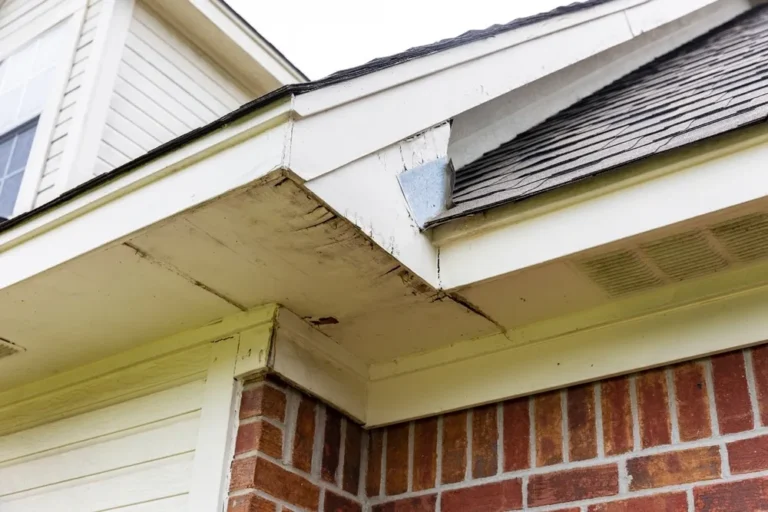
Roof leaks are a common concern for both homeowners and associations, but whether they are covered by insurance depends on the cause of the leak and the type of policy involved. A property policy typically covers damage to the building only when the loss results from a sudden and accidental event. If a windstorm or other weather-related incident causes roofing materials to tear away and allows water to intrude, the resulting damage is generally considered a covered peril. Coverage may apply to both common areas and, depending on governing documents, affected units. However, if the leak is caused by wear and tear, aging materials, or poor maintenance, the property policy may deny coverage because insurance is not intended to cover long-term deterioration. In situations where coverage is denied under the property policy, the association’s liability policy may come into play if negligence is established. For example, if the association failed to address known roof issues or delayed necessary repairs, the liability policy could respond to resulting damages. Conducting annual roof inspections is a proactive step in protecting the association, but inspections are only effective if identified issues are addressed promptly. Timely documentation, clear communication, and adherence to governing documents and insurance resolutions are essential for guiding responsibilities and ensuring effective claims management.
Update of the Month: Water Heater Drip Pans
Installing a water heater drip pan is a small but impactful upgrade that can help condominium owners prevent significant water damage, especially in multi-story units where leaks can quickly affect neighboring homes. A drip pan sits beneath the water heater and is designed to catch slow leaks or overflow, channeling water safely to a nearby drain through an attached pipe. While the pan itself is relatively inexpensive, typically costing between $15 and $50, proper installation may require lifting the water heater and connecting a drainage line, bringing the total cost to approximately $150 to $300 when completed by a licensed plumber. This preventative measure represents good maintenance practice, helping to protect not only the individual unit but also surrounding homes. For even greater protection, owners may consider installing a water sensor or automatic shut-off valve to detect leaks early and stop the flow of water. Reducing the frequency and severity of claims helps communities maintain more competitive insurance premiums.
Save This Newsletter!
Download this newsletter in PDF format for later viewing.