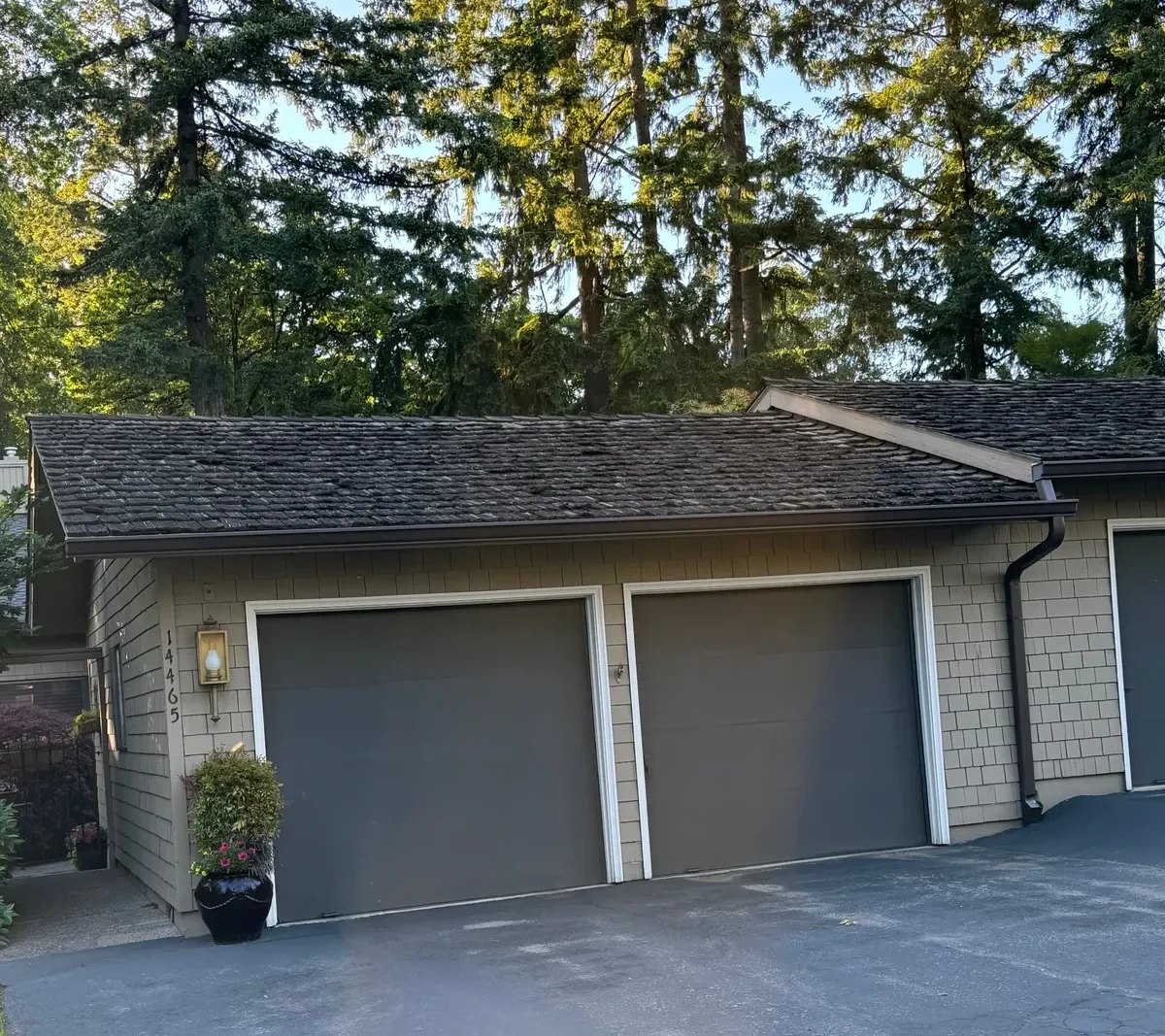
Roof Inspections
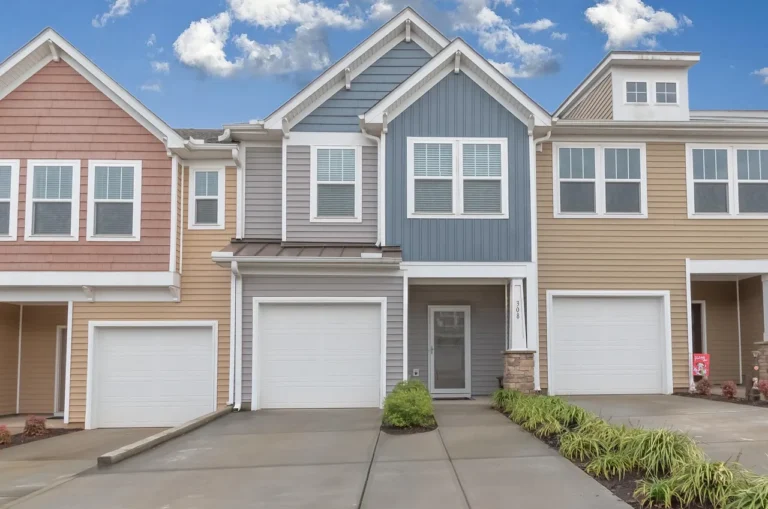
A community association’s roof is one of its most important protective assets. When roofs are aging, neglected, or past their expected life cycle, the risk goes beyond maintenance concerns. Roof issues can lead to interior damage, common area damage, liability disputes, insurance claims, and rising premiums.
If the association is responsible for roof maintenance, regular inspections, repairs, and replacement planning are essential. When damage occurs and the association is found responsible, the cost may need to be handled through the association’s insurance policy or paid directly out of pocket. Either situation can create financial strain, especially when losses were not anticipated in the budget.
Insurance carriers pay close attention to roof age, prior claims, reserve funding, and overall maintenance practices. Older roofs can affect insurability and may limit access to preferred insurance markets. In many cases, carriers are now reducing how roof losses are covered by offering Actual Cash Value instead of Replacement Cost. This means depreciation may not be covered by the policy, leaving the association responsible for the difference.
Associations with roofs over 20 years old are increasingly being asked to provide annual roof inspection reports. Staying consistent with inspections helps document condition, identify issues early, and reduce the likelihood of preventable claims. It also gives boards clearer visibility into their maintenance obligations and reserve planning needs.
Key Takeaways
- Roof inspections help reduce liability exposure and prevent costly claims.
- Underwriters closely evaluate roof age, maintenance history, and reserve funding.
- Many carriers are shifting roof coverage from Replacement Cost to Actual Cash Value.
- Governing documents should clearly define maintenance responsibility.
Loss Prevention: Appliance Safety
It may seem convenient to run a dishwasher or washing machine overnight or while away from home, but this creates avoidable risk. When an appliance malfunctions and no one is there to respond, a small leak or overflow can quickly turn into a major water loss affecting multiple units.
Water damage claims are especially disruptive in community associations because they often involve neighboring units, shared structures, and longer restoration timelines. The sooner a leak is discovered, the more likely the damage can be contained.
Appliances and supply lines wear down over time. Faulty dishwasher connections, aging washing machine hoses, and overflowing appliances are all common sources of water losses. Regular inspection and maintenance inside units can help reduce claims and protect both owners and the association.
Boards may also consider encouraging or adopting maintenance guidance for owners so that high-risk plumbing components are checked and replaced on a regular basis. A simple preventative step can often prevent a very costly claim.
Owners’ Curious Question: Is My Vehicle Covered?
This is a common question, and the answer is generally no. The association’s insurance policy typically does not provide coverage for damage to vehicles owned by residents, tenants, or guests.
Even if a vehicle is parked in a garage, carport, or other association parking area, the vehicle owner is responsible for carrying their own insurance coverage. For example, if a fire occurs in a parking garage and damages vehicles, those losses would generally be handled through the vehicle owner’s personal auto policy, not the association’s insurance.
The vehicle owner would also be responsible for their own deductible, and this is not typically reimbursed by the association.
Update of the Month: Washing Machine Hoses
Washing machine hoses are easy to overlook, but they play a major role in preventing water damage. Over time, these hoses can weaken, crack, or burst, leading to leaks that can damage flooring, walls, and neighboring units.
This is one of those claims that is often preventable. Experts commonly recommend replacing washing machine hoses every five years and upgrading to reinforced braided stainless steel supply lines for added durability. Replacement hoses are relatively inexpensive, often costing around $30, and can help avoid much larger repair expenses later.
It is also important to ensure fittings are installed correctly and not overtightened. A small maintenance item like this can make a meaningful difference in protecting both the unit and the community.
Save This Newsletter!
Download this newsletter in PDF format for later viewing.