Balancing Community Association Risk Starts with Owners
Who is responsible for managing risk in a community association? Most owners would point to the Board of Directors. While Boards certainly carry the responsibility of making difficult decisions for the community as a whole, risk management is not confined to Board meetings.
Some of the most significant risks facing a community originate within individual units. A community can invest thousands into maintenance and reserves, but it only takes one neglected appliance, one unnoticed leak, or one deferred repair inside a unit to create costly consequences for multiple owners. The reality is that a community’s risk profile is shaped not only by the decisions made by its Board, but by the actions of every homeowner who lives there.
The strongest communities are not those with the biggest budgets. They are the ones where both Boards and owners understand their shared role in protecting the places they and their neighbors live in.
In community associations, losses often affect far more than the person where the incident originated. A water leak, fire, sudden loss, or liability claim that begins in a single unit can quickly impact neighboring units and common elements, including owners who have diligently maintained their own homes. Even when damage is isolated, the financial consequences are often shared among community members through higher insurance premiums, increased deductibles, and, in some cases, changes to available coverages if non-renewals occur.
This is why balancing risk is not solely a Board responsibility. It requires participation, awareness, and accountability from every homeowner as well.
Information Matters More Than Ever
A significant shift in today’s insurance market is the amount of information carriers are requesting from communities. Associations are increasingly being asked to provide data on plumbing, electrical, and other building system upgrades, including improvements completed inside individual units.
Keeping documents and data on updates within units is not something many communities have historically tracked. However, it is becoming increasingly important to support renewal negotiations and maintain insurability.
A simple spreadsheet can help track plumbing upgrades, electrical panel replacements, appliance updates, and other improvements. Knowing whether systems are original or updated can make a meaningful difference when insurance carriers evaluate risk.
Surveys may not be something your community has traditionally responded to, but through consistent communication and transparency about why the information matters, communities can often improve participation and gain valuable insight into the condition of their property.
Practical Procedures That Help Prevent Losses
One of the most overlooked ways communities reduce risk is through thoughtful procedures and guidelines designed to prevent avoidable losses.
Contractors Providing Proof of Insurance
Whether work is being performed in a common area or inside an owner’s unit, verifying that contractors carry proper insurance can help protect both the owner and the association if something goes wrong.
Vacant Units
Vacancies can become a significant issue when a loss goes undetected for an extended period of time. Whether a unit is a second home, between tenants, or temporarily unoccupied, unnoticed leaks and maintenance issues can create extensive damage that affects neighboring units and common elements.
Rental Units
Rental units present unique risk management challenges because tenants may not have the same long-term investment in the property as owners. Clear rental requirements, insurance expectations, and well-written lease provisions can help reduce misunderstandings and better protect the association and neighboring owners.
While rules are often viewed as restrictions, many exist because someone, somewhere, learned an expensive lesson.
The most resilient communities are those where Boards and homeowners work together to identify risks before they become claims. The most successful communities recognize that managing risk is not the responsibility of a few volunteers serving on the Board. It is a shared commitment that requires participation from everyone who calls the community home.
Owners’ Question
I am a Board member terming out. Will I still be covered by the association’s Directors and Officers (D&O) policy once I am no longer serving on the Board?
Answer
The answer depends on the specific language within the association’s D&O policy. It is important to verify that the policy includes coverage for both past and present Board members as insureds. Many policies are designed to protect volunteer leaders for decisions made while serving on the Board, even after their term has ended.
An important consideration is that future Boards may make changes to the association’s D&O insurance program. Changing carriers or selecting a policy with different terms can unintentionally create gaps in coverage for prior Board members.
One example is a retroactive date, which is the earliest date from which the policy will provide coverage. If a claim arises from an action that occurred before the retroactive date, coverage may not be available.
The best way to reduce this risk is to work with an insurance professional who understands community associations and can help the Board evaluate coverage decisions over time. Communities should not simply purchase insurance; they should seek guidance from a trusted advisor who can help protect both current and former volunteer leaders as Boards change and transition over the years.
Update of the Month: Access Points for Plumbing
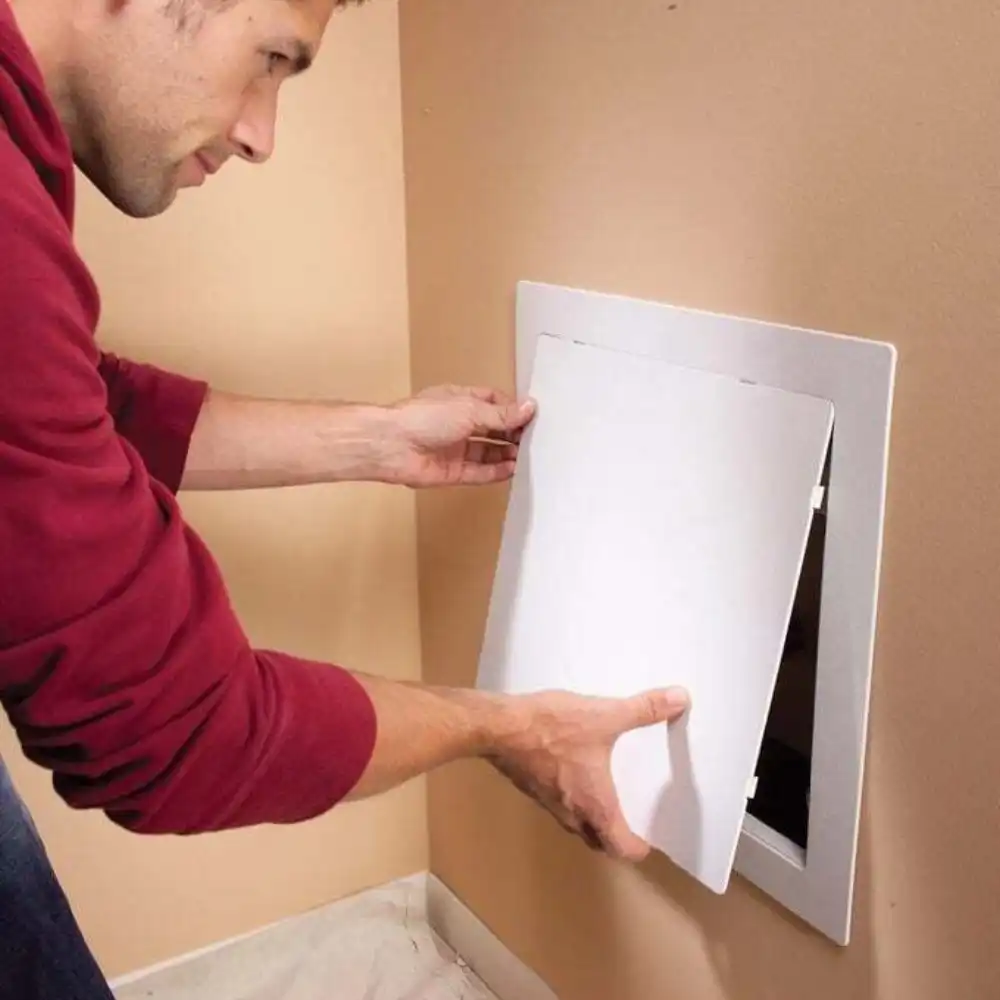
When a plumbing leak occurs, the cost of repairs can add up quickly. However, homeowners can take practical steps to improve access to plumbing components before an emergency happens.
One simple risk management strategy is to consider installing access panels in key locations where plumbing components are expected to require maintenance or future repairs. Access panels can provide direct access to shut-off valves, shower and tub fixtures, plumbing manifolds, and other serviceable components without the need to damage surrounding walls or ceilings.
Ways Access Panels May Save You Money
- Cost of drywall repairs and repainting
- Potentially avoiding asbestos-related testing when walls and ceilings do not need to be disturbed
- Reduced restoration costs associated with opening walls and ceilings
- Faster access to plumbing components during emergencies
- Less disruption to neighboring units when repairs are required
While access panels will not prevent every loss, they can help reduce repair costs, speed emergency response, and minimize disruption when repairs become necessary.
For condominium and HOA communities, especially those with aging infrastructure, incorporating access points during repairs, remodels, or maintenance projects can be a practical way to improve long-term building maintenance and potentially reduce the severity of future water damage claims.
Risk Management Tip
If walls or ceilings are already being opened during a plumbing repair, water loss, or renovation, ask whether an access panel can be installed before everything is closed up.
Spending approximately $50 to $150 today could save thousands of dollars in future repair costs and make it easier to inspect and service plumbing components for years to come.
Save This Newsletter!
Download this newsletter in PDF format for later viewing.