Don’t Let Association History Get Lost in Transitions
Community associations regularly experience transitions. Board members rotate off, managers change, and communities change vendors and service providers. Newer communities may experience developer turnover, while established communities may have major construction projects or insurance claims. These are all important transitions, but what happens when an association changes management companies?
A change in management companies can create one of the greatest risks because years of records and institutional knowledge often sit with the management team and are not always transferred. Boards may assume the complete file will automatically transfer to the next company. In reality, association records are spread across email accounts, software platforms, archived folders, former managers, and vendors.
The new manager may receive current governing documents and financials but not an inspection report from six years ago, a repair warranty, prior insurance applications, or the history behind an unresolved building issue. Those missing records could later have liability and financial consequences for the community.
The consequences may not surface until years later. A board may need to prove that maintenance was completed or updates were made, respond to insurance underwriters, explain a previous board decision after the association is sued, or support a claim following a loss. When boards do not have this information, it can create challenges and additional costs for the entire community.
Keep Association Records Under Association Control

Whether digital or in a three-ring binder, critical documents should be kept in one centralized, association-controlled location so future boards can understand and support decisions made over time.
Every board should maintain an association-controlled collection that includes:
- Governing records: All governing documents, amendments, resolutions, plats, and board minutes.
- Financial records: Tax filings, reserve studies, budgets, financial statements, bank statements, loan documents, and records of certificates of deposit and savings accounts.
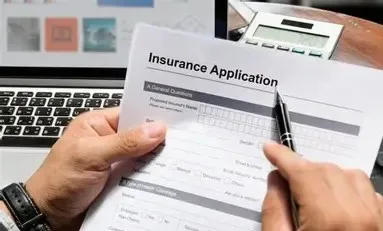
- Insurance records: Current and prior insurance policies, signed applications, loss runs, inspection reports, and claim files, especially documents signed on behalf of the association.
- Building and vendor records: Building plans, engineering reports, warranties, permits, and repair and maintenance records from all service providers, including all executed contracts with indemnification language and vendor insurance information.
Before a transition is complete, the board should inventory the records and identify what should be included in the file the association expects to receive. Complete a quality-control review and follow up on missing information.
People and service providers may change. The association’s history should remain with the association. Have a conversation with your community about protecting its records through the next transition.
Coverage Corner: What Do Theft and Vandalism Claims Tell Your Insurance Carrier?

Not every claim tells an insurance carrier the same story. A windstorm may be unpredictable. Theft or vandalism claims often cause an underwriter to ask: Could this have been prevented? Has it happened before? What has the association done to keep it from happening again?
Imagine an association discovers that mailboxes were pried open, equipment was stolen, or windows were broken in a clubhouse. Another incident might involve a tenant deliberately damaging a condo unit before moving out.
The board may expect to recover from the responsible party, but recovery is not guaranteed. The person may be uninsured, unable to pay, or impossible to locate after the fact. If the damage is to the interior of a unit, the governing documents or policy language may include waivers of subrogation that affect who can be pursued. If the association’s policy responds, the deductible must still be addressed, and the claim history can affect the entire community in future years.
A useful step is to walk the property from the perspective of someone trying to gain access or avoid identification. A board should review lighting, doors and locks, association storage areas, vacant spaces, and keys or access fobs.
If a community has cameras, confirm that they operate at all times of day and can capture useful images of the entire incident. How is the footage retained, and who can access it? Important locations include entrances and exits, parking areas where license plates may be captured, and common areas that may help provide evidence of what occurred.
Boards cannot prevent every crime, but they can be proactive in both prevention and response. They can show underwriters that theft and vandalism risks are taken seriously, investigated, and addressed before they become a pattern.
Owner’s Question: Does the Association Need a Copy of My HO-6 Policy?
It depends on the association’s governing documents and any properly adopted insurance resolution. Having current proof of owners’ insurance helps the board confirm compliance and reduces confusion about the policies involved after a loss.
The board’s role should stop at confirming compliance. Whether an owner is adequately insured is a conversation between the owner and their own licensed insurance agent. A board may recommend that an owner seek guidance from their agent, but board members should not interpret an owner’s policy or advise on coverage limits if they are not licensed to do so.
It is helpful when the association works with an agent who provides documentation explaining the coverages unit owners are required to carry.
Update of the Month: How Quickly Could Your Community Shut Off the Water?

If your community were tested today, could it get the water shut off in one minute or less? Would it pass the test?
When a pipe bursts, the water does not wait for a manager or plumber to arrive. The longer it runs, the more damage it can cause. Every community should have a water shutoff plan before a loss occurs. The board should identify volunteers who can be trained to lead the on-site response.
The plan should identify each shutoff and the area it controls. If each home has its own domestic water shutoff, owners should know where it is and how to operate it safely.
To make the plan useful in an emergency:
- Clearly label valves.
- Keep a simple map with photos.
- Document where any required key or tool is kept.
- Keep the plan accessible after hours.
Domestic water valves should not be confused with fire-sprinkler controls, which need to be handled by qualified personnel.
A few minutes saved could prevent a much larger loss.
Have a question about your community? Reach out to Sara Eanni, CIRMS, MBA
Save This Newsletter!
Download this newsletter in PDF format for later viewing.